Filling the hole
by Ian Sutherland
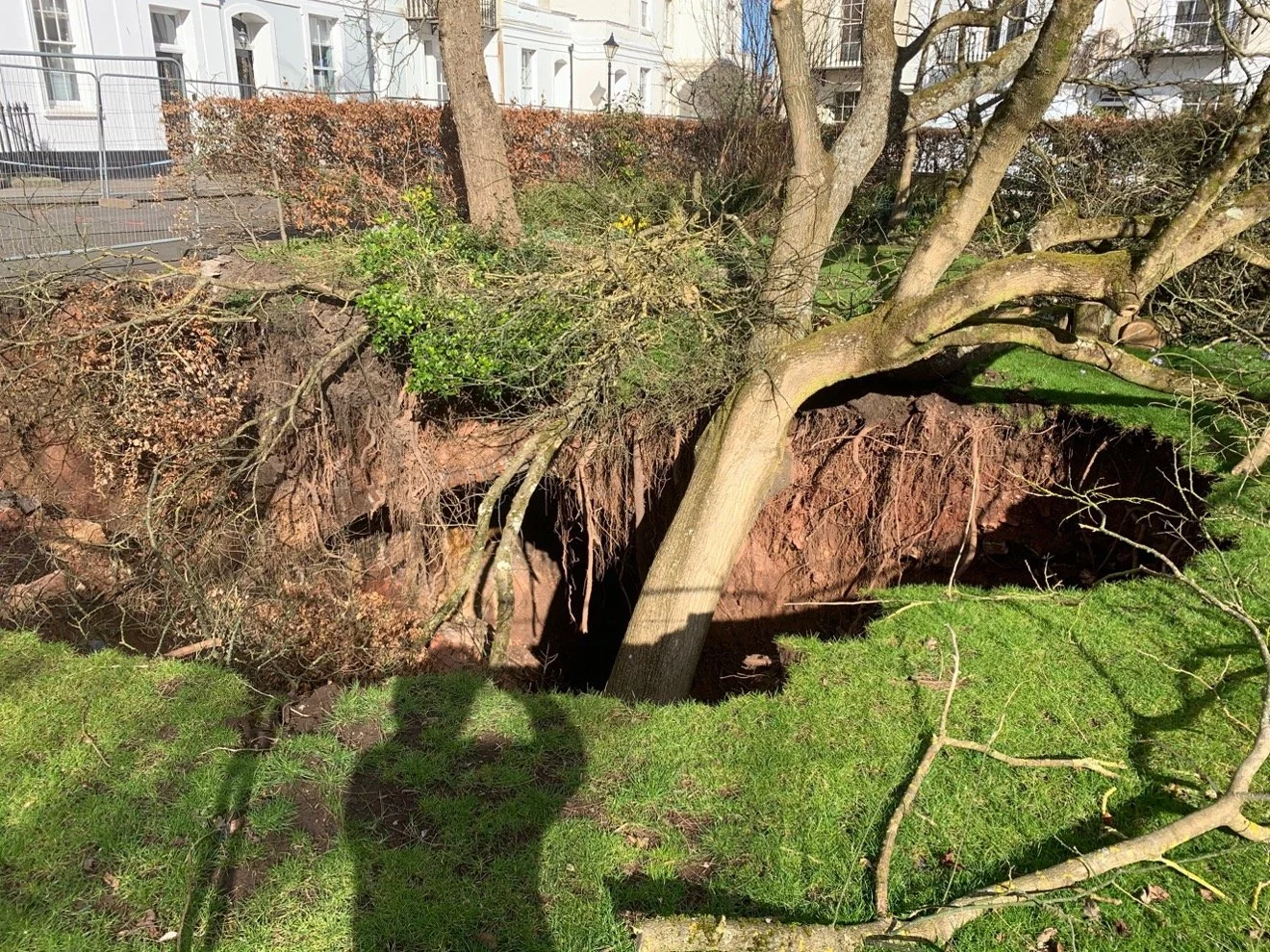
Fig 1. Pagoda tree following the collapse of two 30 foot deep cellars 6 feet below the surface of the Square.
On Christmas day 2020 at 10:30pm in the evening there was a loud bang and the Pagoda tree at the North end of the garden disappeared into what was thought to be a 30 ft sink hole, but it turned out to be two collapsed cellars (Fig 1). While the Council own the Square, the Canynge Square Garden Committee (CSGC) share the maintenance with a small grant from the Council. Two and a half years passed without too much progress on finding a solution to filling the hole. Ground penetrating radar surveys were done to make sure there were no other cellars under the square before heavy equipment was brought in to remove the tree and the Council spent some time trying to find out who the cellars belong to eventually concluding that it was their responsibility. Filling the hole was low priority for the Council as they could not afford it. Priority was only raised by the residents’ crowd-funding half of the cost with encouragement from Counsellor Paula O’Rourke who’d managed to get the children’s playground completed using this approach. In June 23 with generous donations from residents and organisations like CHIS, the CSGC were able to let the council know that they had raised £50,000. Preparatory work was started by Parks who planted temporary hedges in large planters at the South end of the garden so that they could be easily moved when work started.
On March 11th, 2024 work started with Griffiths moving onto site with a welfare cabin, security lights, cameras and a mobile toilet. Soon a road was built from the South End of the Square to the hole by laying large PVC sheets to protect the grass and putting about 15cm of hardcore on top. Once this was done an access ramp was built to the bottom of the hole, and the bottom of the left-hand cellar was filled with gravel for drainage. The hole between the left-hand cellar and one of the cellars under the road was filled in and a large 6 inch drainage pipe installed so that any storm water in the cellars under the road could drain away at the bottom of the cellar which was a further 3 metres lower (Fig 2). The ramp was then slowly built up with hardcore so that it was less steep and there was a barrier between the hole and the cellars which were very deep (Fig 3). Concrete lorries then started delivering concrete to a temporary pumping station which mixed concrete with foam and pumped it into each cellar in turn (Fig 4).
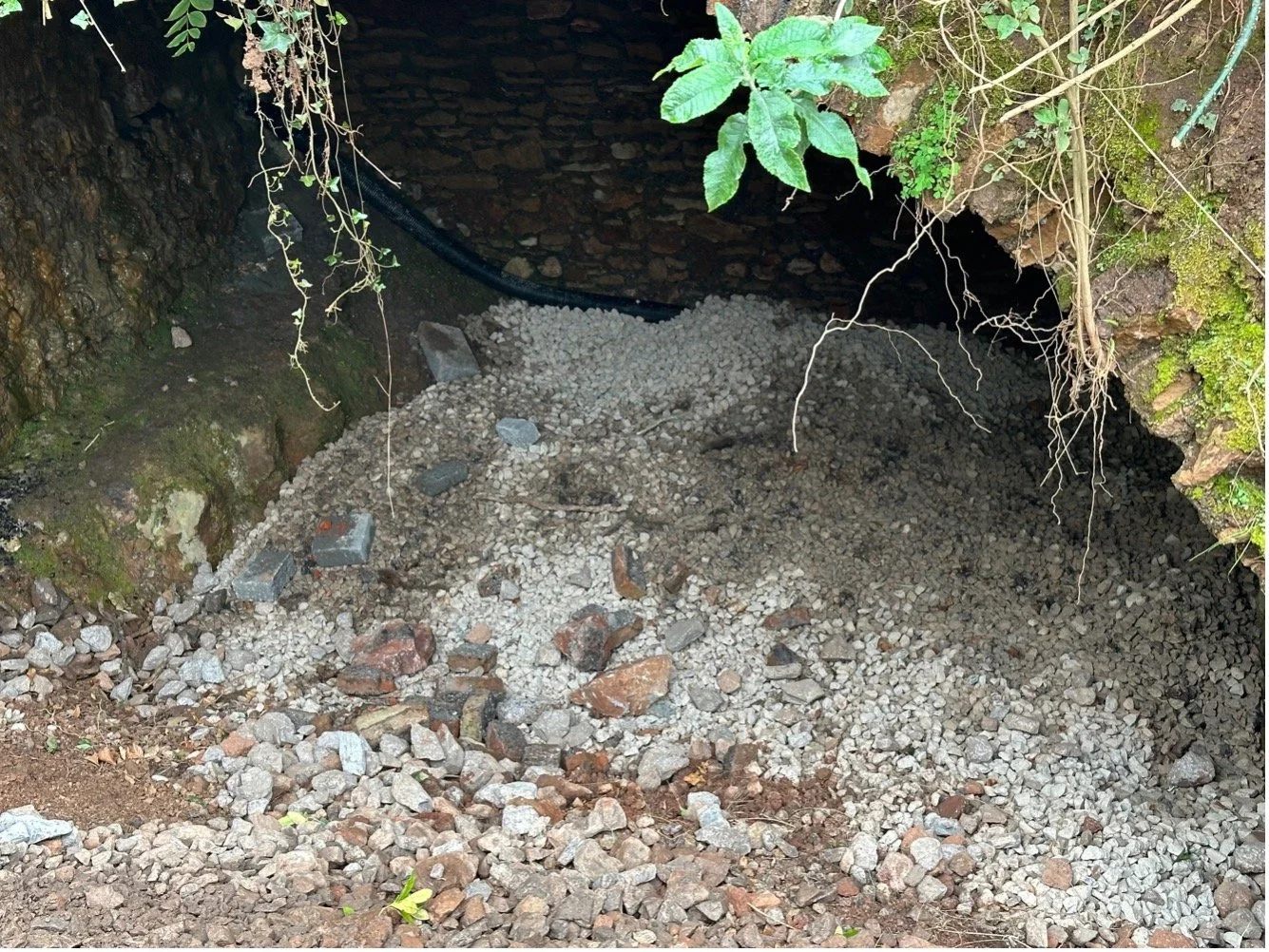
Fig 2. Left HandCellar with the bottom filled with gravel for drainage and a large drainage pipe coming in from top left from the cellar under the road outside No 28.
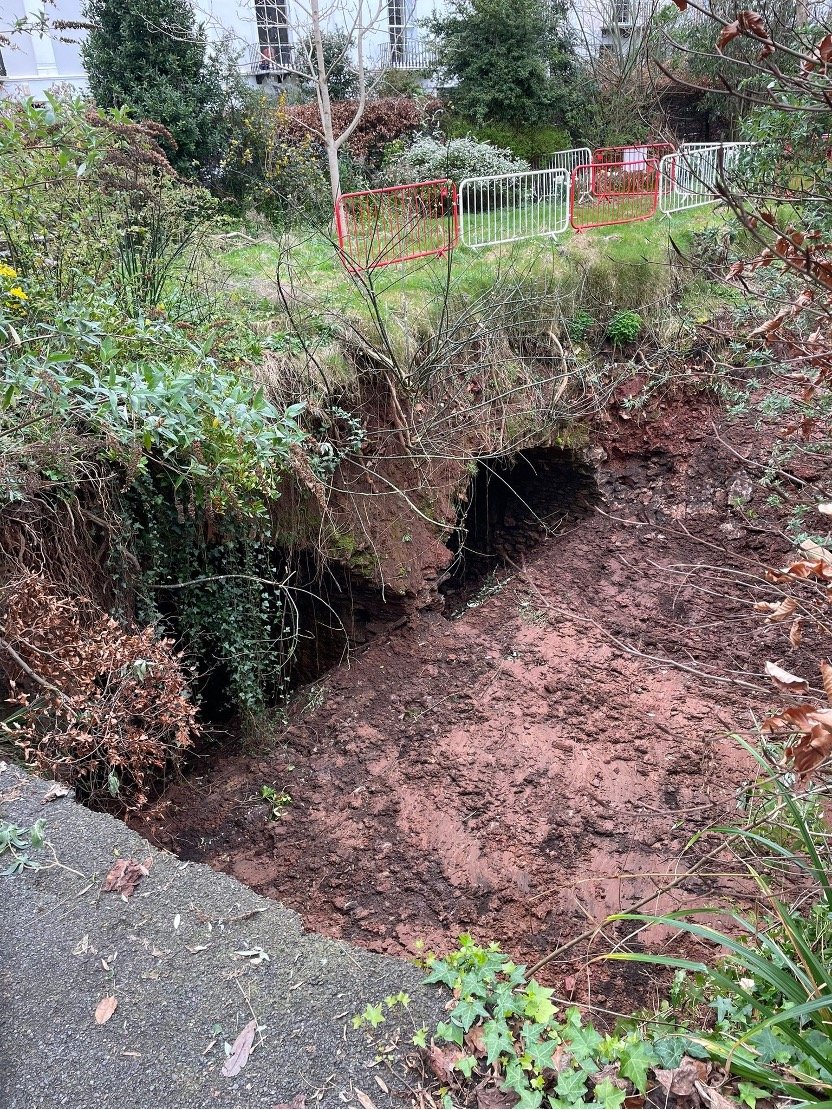
Fig 3. Building up the ramp with hardcore to act as a barrier for the concrete about to be pumped into the cellars.
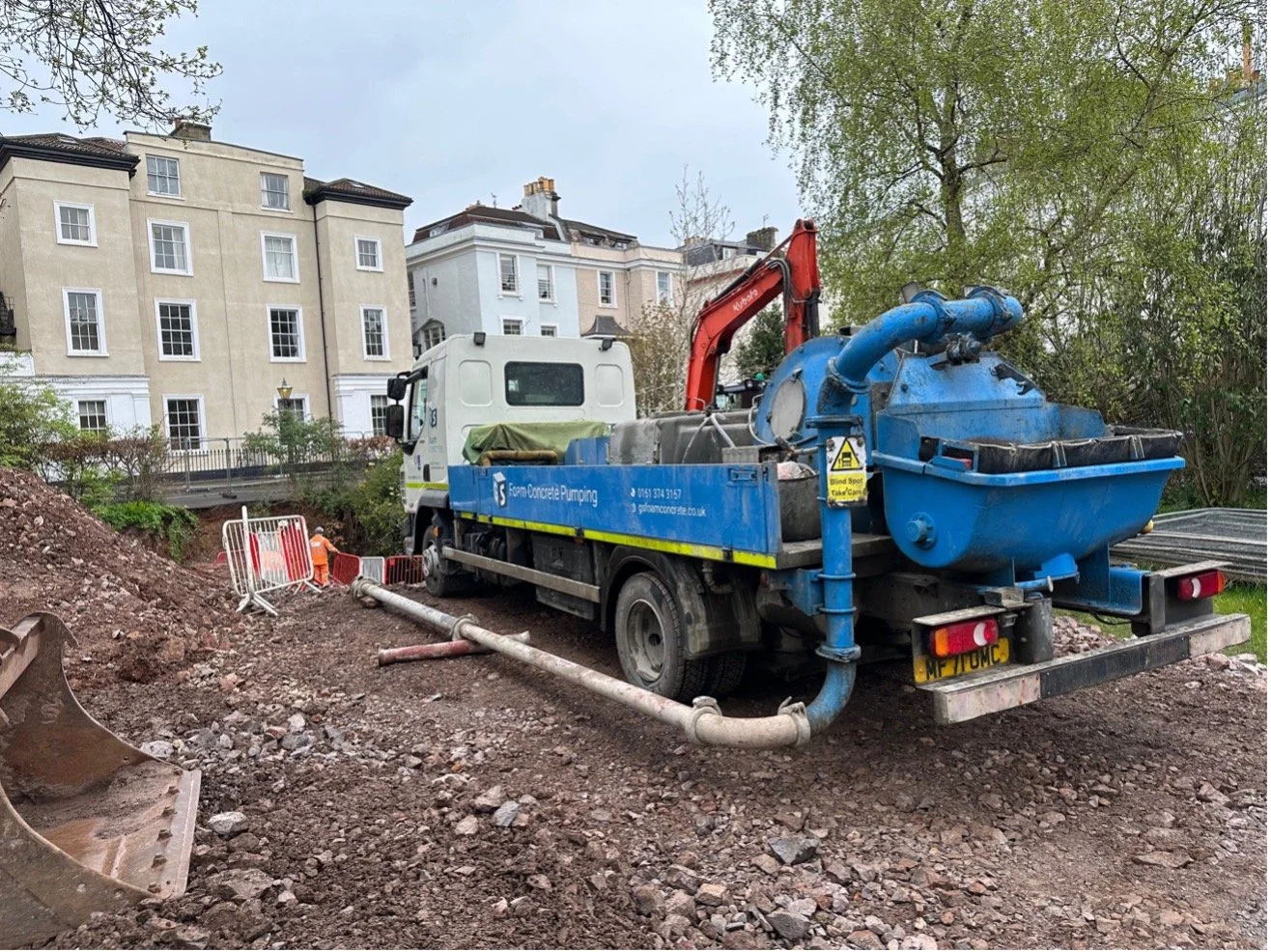
Fig 4. The foam filled concrete pumping station
As the level rose the contractors built the ramp up even higher so that the foam concrete could still be contained in the cellars (Fig 5). This process continued until the foam filled concrete reached the apex of the cellars (Fig 6). Then further hardcore was put in the hole building it up to about 30cm from the level of the grass. Topsoil was then used to bring the surface up to its original level with the grass (Fig 7). Coping stones were re-layed along the North wall with a space left for the gate which the contactors had retrieved from the hole (Fig 8) and the road re-tarmacked and re-opened.
Once this was done, and all heavy lorry deliveries had been made, the contractors started retreating toward the South End of the Square taking up the hardcore and PVC sheeting as they went. Once the road was dismantled, they spread topsoil across the remaining lawn and reseed the entire garden. Finally, they removed the equipment and rubbish, took barriers away replaced coping stones and closed off the South End of the garden. A topping out ceremony will be held on May 21st, 2024 at 4pm in the North Road outside the North gate to thank contractors, contributors and Council members and celebrate getting to this stage of the project. The next stage will be the lengthy process of restoring the garden to its original pristine condition.
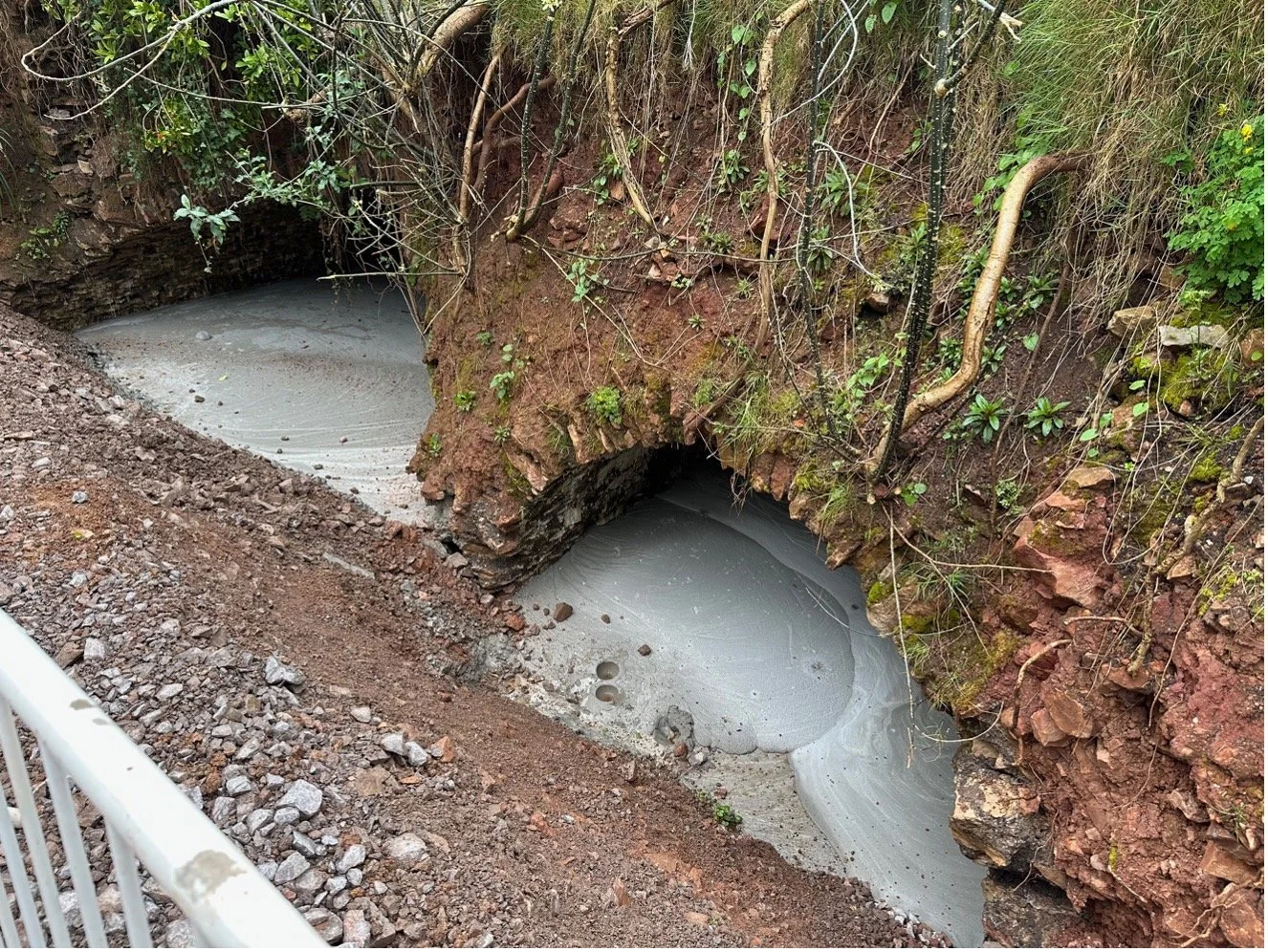
Fig 5. The ramp was raised after each fill of foam filled concrete to contain the concrete in the cellars
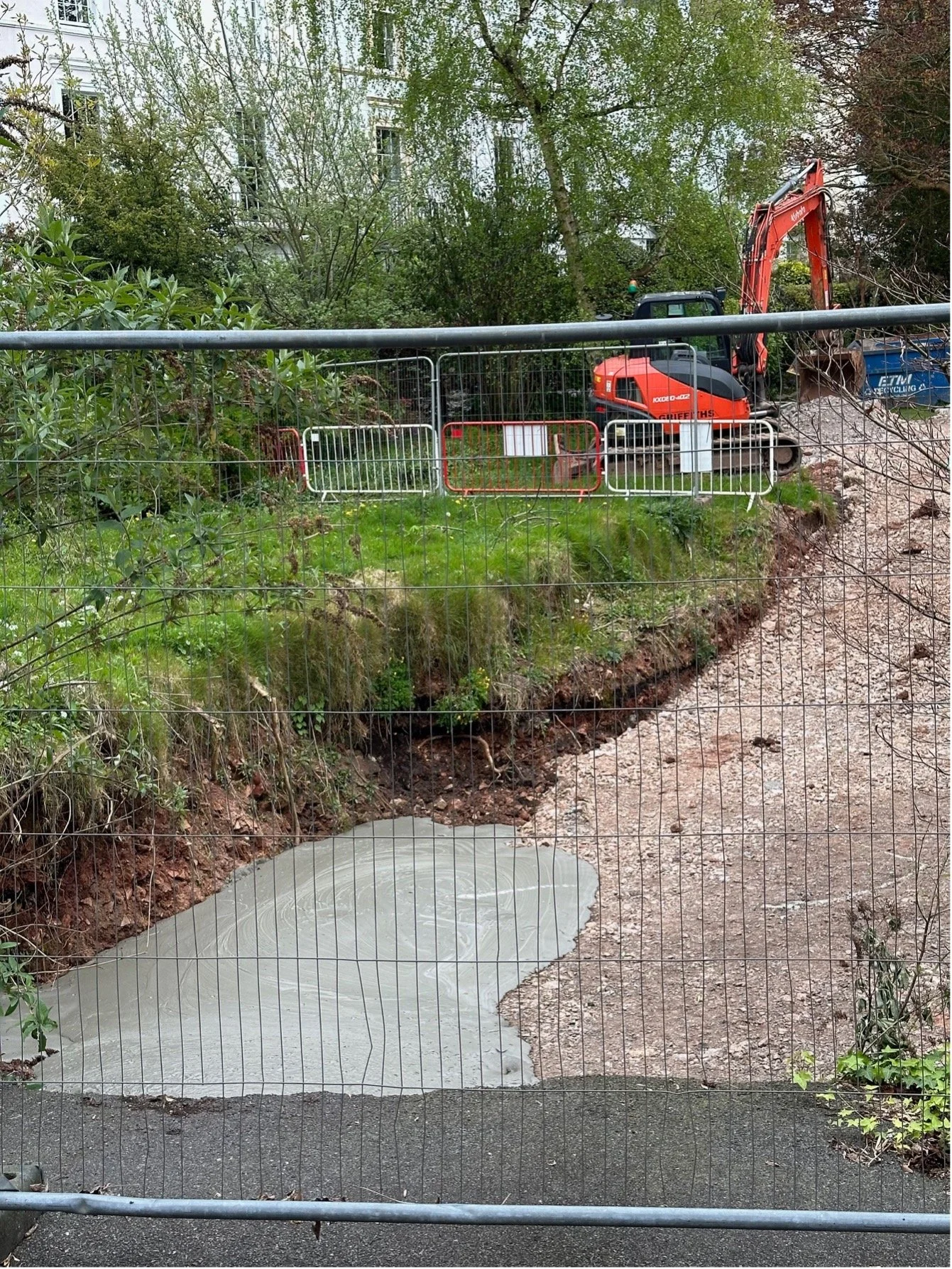
Fig 6. Foam filled concrete up to the apex of the cellars
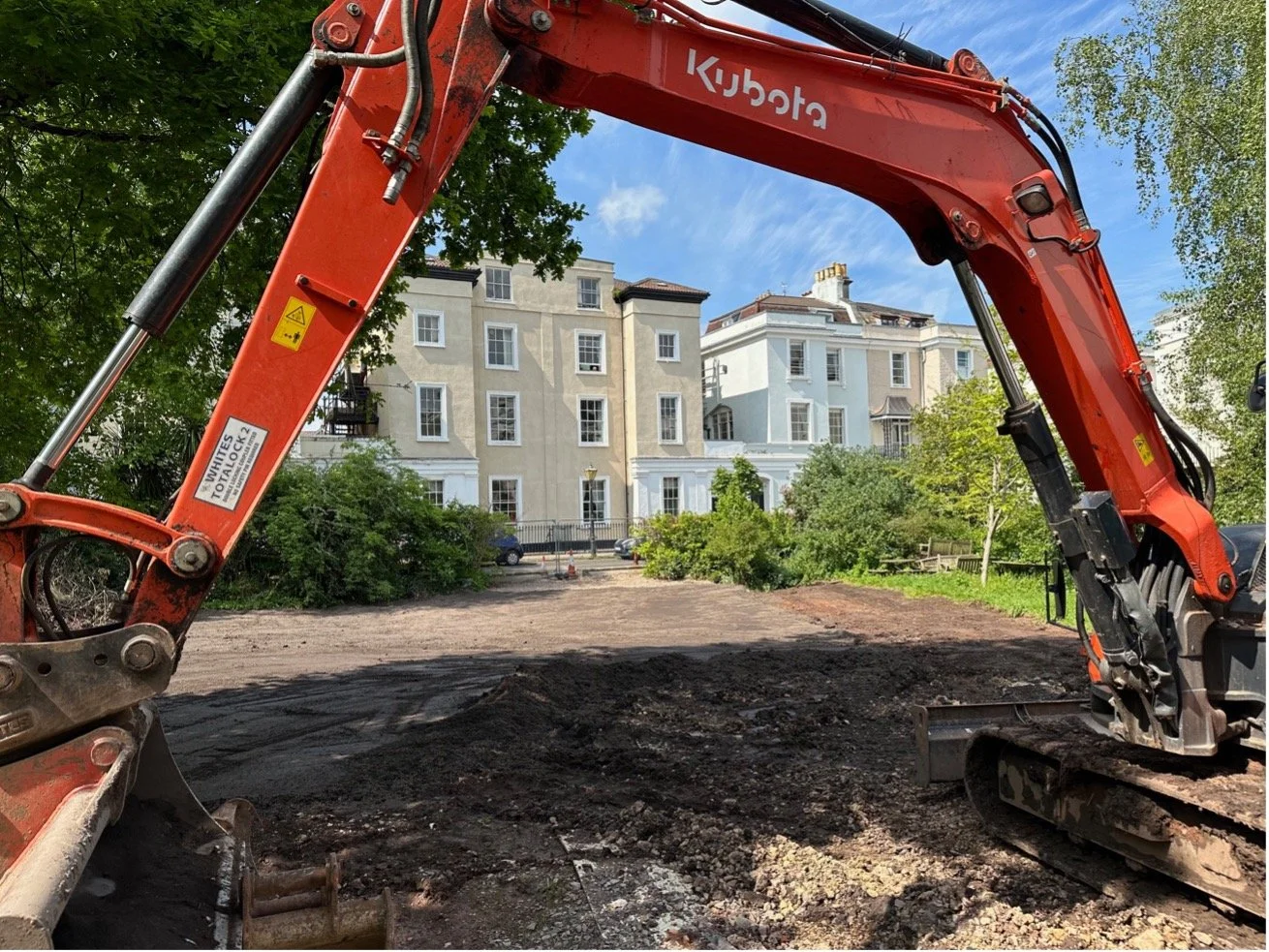
Fig 7. Topsoil to the original garden level
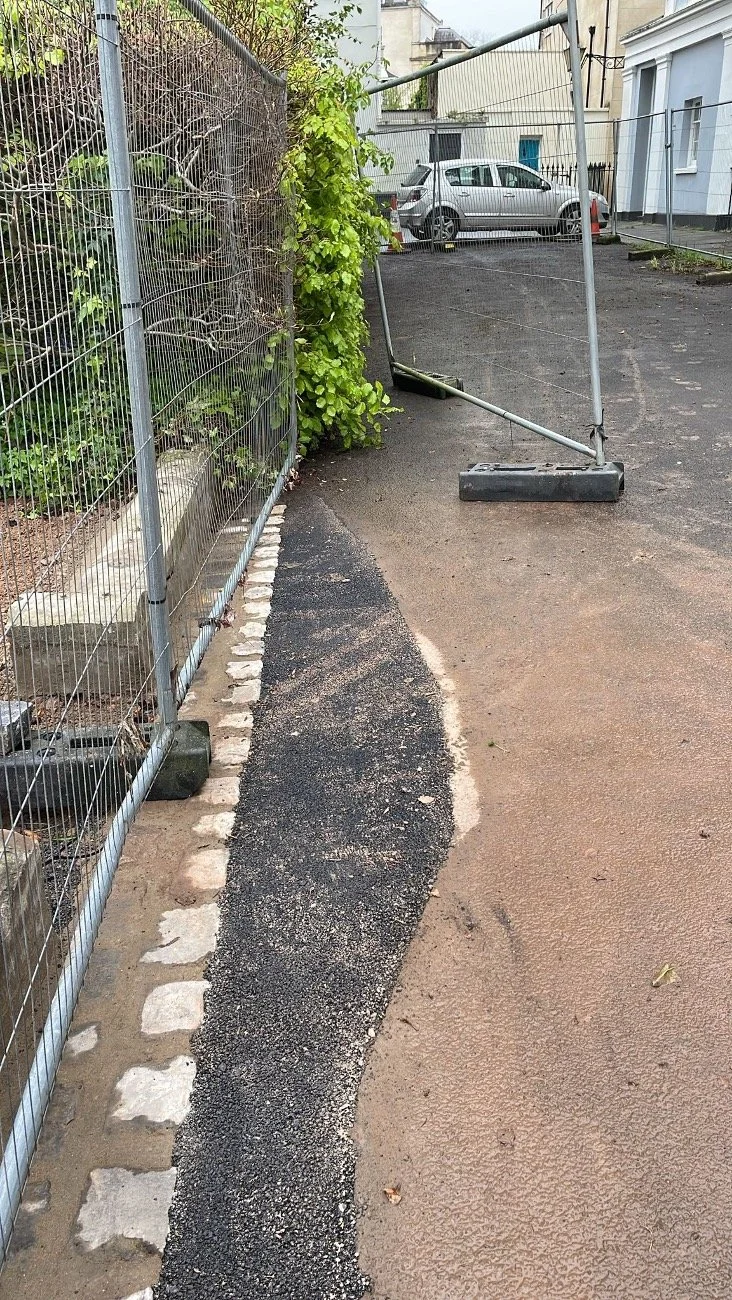
Fig 8. Re-tarmacking of the south road and its re-opening